A transport simulation vibration testing machine is a specialized system that helps companies detect problems in their packaging by simulating vibrations produced during the distribution cycle. In this article we analyze the importance of vibration testing machine applications and transport simulation to evaluate and optimize packaging in order to withstand the hazards associated with the distribution of goods, including transportation vibration.
What is transport simulation testing?
Transport simulation consists of testing a package to ensure that it will be able to withstand actual transport conditions and the associated potential hazards (shocks, drops, vibrations, etc.). Transport simulation testing involves testing the transport configuration under laboratory conditions using equipment specifically designed for this purpose.
Thus, simulations are used to observe the effects of transportation on the product, analyze the suitability of the chosen packaging solution, and monitor how the packaging and product interact as they are subjected to the conditions of the distribution cycle.
Such tests are repeatable and allow reliable results to be obtained so that companies can study packaging solutions until they obtain the ideal solution for their products and their distribution cycle. And that’s how vibration testing machine applications operate.
Among the tests to be carried out and the effects to be studied in transport simulation are the following:
- Vibration testing. It is used to evaluate how the potential transportation vibration frequency affects the product and packaging.
- Drop testing. The aim is to establish the ability of a product + packaging system to withstand the drops that occur during handling and transportation.
- Impact testing. By simulating the impacts that occur throughout the distribution cycle, it is possible to observe how the packaging responds to these contingencies and to determine whether it fulfills its protective function.
- Compression testing. If the goods are to be stacked for transport or storage, it is advisable to study how the product + packaging system will react to horizontal compression forces.
- Stability testing. They consist of simulating horizontal accelerations and decelerations (acceleration, deceleration and braking) to ensure the rigidity and safety of the loads.
- Tilt testing. These tests can be carried out at various stages, either in the design phase, optimization or at the end of line as a control method to evaluate deformation and stability.
- Clamp testing. These tests are performed to measure the protective capacity of a package when it is subjected to vertical compressive forces, such as those occurring in automated warehouses when goods are moved, transported or stacked.
Benefits of vibration testing machine application
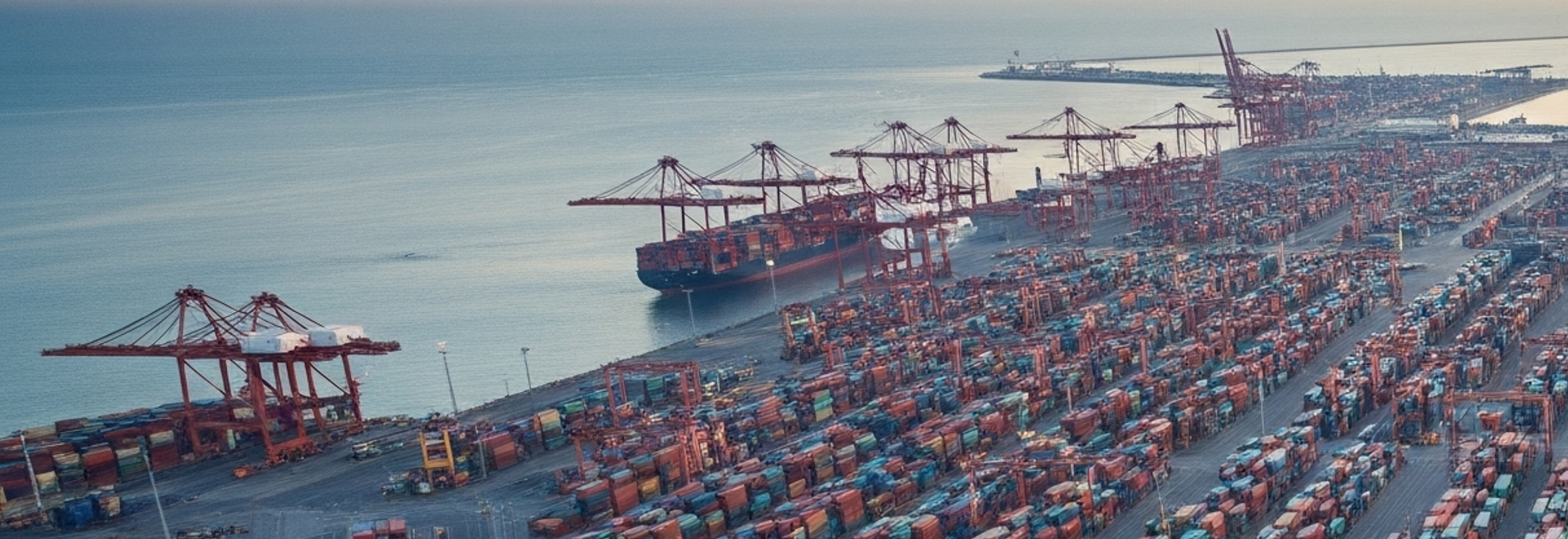
As we have seen, there are several hazards that can put goods at risk. These include vibrations that occur mainly during transport, whether by sea, air or land.
Vibrations can be defined as the oscillations of an object with respect to a state of equilibrium, producing deformations and stresses on a continuous medium. There are several types of vibrations: mechanical with linear, angular, or rotational movements; electromagnetic, gravitational, etc.
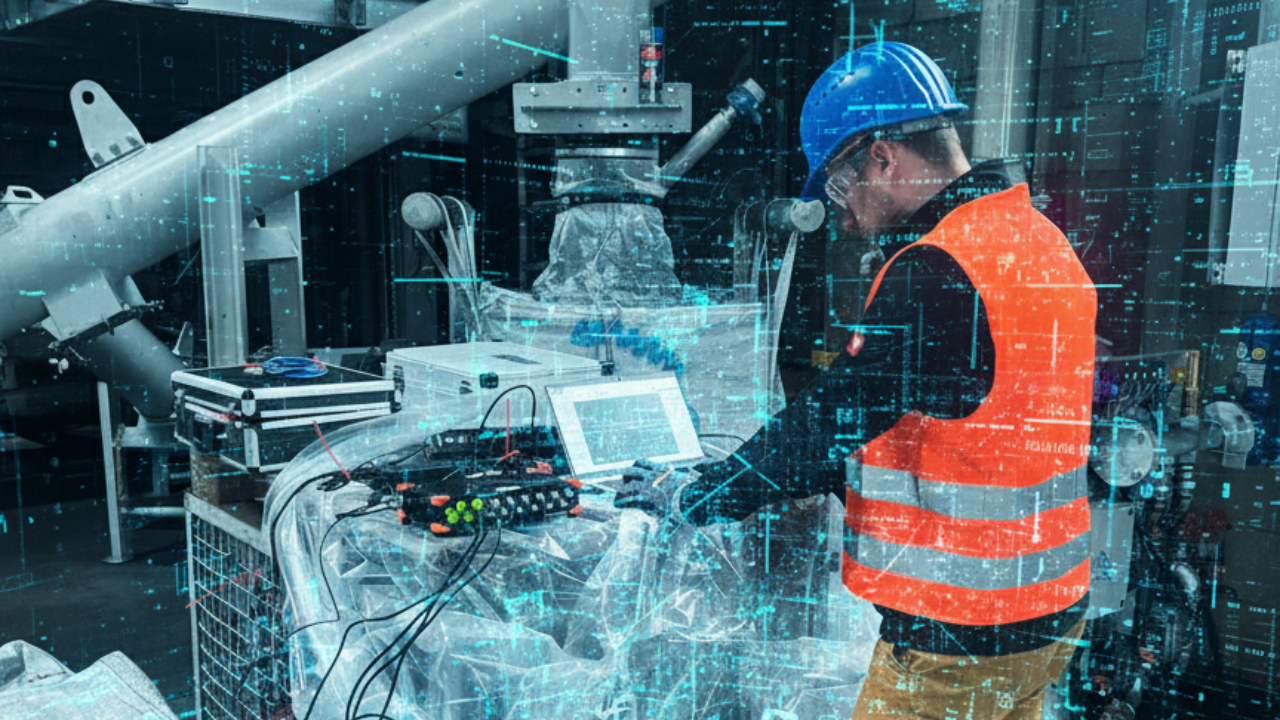
In this regard, a transport simulation vibration testing machine allows companies to determine the protective capacity of packaging against this type of risk, which is one of the key Vibration testing machine applications. Thus, the use of specialized equipment shows how packaging reacts to different types of vibrations, enabling companies to design effective systems.
Simulating vibration movements similar to those occurring during transport and their different frequencies and amplitudes is particularly complex. Therefore, a transport simulation vibration testing machine must use advanced and precise technology.
Among the benefits of carrying out vibration testing are the following:
- Minimize unnecessary costs due to damage to goods during transport caused by vibrations.
- Optimization of packaging, avoiding costs derived from over-packaging and under-packaging situations.
Vibration testing also makes it possible to choose the right materials to protect against this type of threat and to use the right amount to protect a specific load without endangering the products.
Thanks to these tests, it is also possible to test the incorporation of new materials, such as eco-friendly packaging materials, to design more sustainable packaging systems.
- All this results in an improved corporate image for the end customer, who can see how companies are trying to be more sustainable and how the products they have ordered arrive in good condition.
- In addition, vibration testing allows compliance with various international ISTA or ASTM standards, providing further proof that the company is putting in place the means to ensure safer and more sustainable shipments